Cookies and Policy
Cookies Policy
Ximbolands uses cookies on https://ximbo.land. By using the Service, you consent to the use of cookies.
Our Cookies Policy explains what cookies are, how we use cookies, how third-parties we may partner with may use cookies on the Service, your choices regarding cookies and further information about cookies.
What are cookies
Cookies are small pieces of text sent by your web browser by a website you visit. A cookie file is stored in your web browser and allows the Service or a third-party to recognize you and make your next visit easier and the Service more useful to you.
Cookies can be "persistent" or "session" cookies.
How Ximbolands uses cookies
When you use and access the Service, we may place a number of cookies files in your web browser.
We use cookies for the following purposes: to enable certain functions of the Service, to provide analytics, to store your preferences, to enable advertisements delivery, including behavioral advertising.
We use both session and persistent cookies on the Service and we use different types of cookies to run the Service. We may use essential cookies to authenticate users and prevent fraudulent use of user accounts.
Third-party cookies
In addition to our own cookies, we may also use various third-parties cookies to report usage statistics of the Service, deliver advertisements on and through the Service, and so on.
What are your choices regarding cookies
If you'd like to delete cookies or instruct your web browser to delete or refuse cookies, please visit the help pages of your web browser.
Please note, however, that if you delete cookies or refuse to accept them, you might not be able to use all of the features we offer, you may not be able to store your preferences, and some of our pages might not display properly.
Where can your find more information about cookies
You can learn more about cookies and the following third-party websites:
×
Frequently Asked Questions
What is Ximboland ?
The Fashionable Republic of Ximboland is the worlds first democratic social media platform.
What is its mission?
Ximbolands mission is to serve the world by offering a truly democratic alternative to the established, familiar and autocratic social media platforms.
The establishment of The Fashionable Republic of Ximboland is a response to the widespread demand for a democratic alternative to autocratic social media governance. The world’s major social media platforms claim to be based on good will and fair governance however most seek to impose their world-view on all of their users.
Ximboland recognizes that democracy is the antidote to this problem.
What is the national flag of Ximboland?
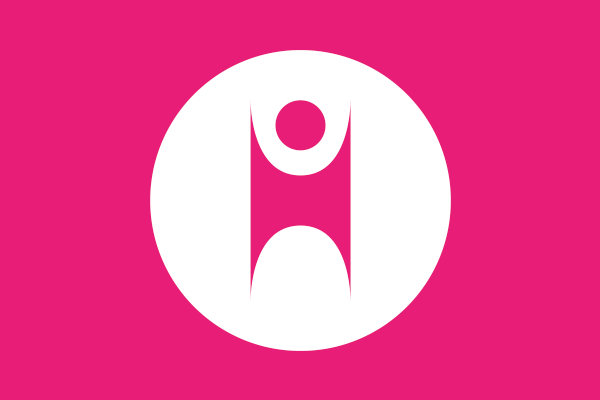
When was The Fashionable Republic of Ximboland founded?
2007
What is the capital city of The Fashionable Republic of Ximboland?
Bimbo City
How many states make up The Fashionable Republic of Ximboland?
There are 6 states that make up The Fashionable Republic of Ximboland. They are Atheistia, Freethinkerland, Reasonopia, Agnostica, Secville, and Antitheocra. Bimbo City is the neutral administrative capital and is its own city zone. Booby Island is the home of the President of the Fashionable republic of Ximboland - Sindy Laarson I aka Miss Bimbo
What is a Ximbo xitizen?
A ‘Ximbo xitizen’ is a citizen of The Fashionable Republic of Ximboland. All citizens must be at least 18 years old.
What is a Ximbo?
Some people define a Ximbo as a superhuman - blessed with extraordinary good looks, intelligence and fashion sense.
Some people claim a Ximbo is a genderless or nonbinary superhuman.
Either way - all Ximbos possess the X factor.
How can I become a Ximbo xitizen?
In order to become a xitizen of Ximboland you must first pass the Ximboland xitizens test. It is free to become a Ximbo xitizen.
What is a Ximbo senator?
A Ximbo senator is a senior member of The Fashionable Republic of Ximboland. Only xenators are eligible to put themselves forward for election to senior government roles. Ximbos also get 10 x votes in all elections so they really do shape Ximbolands future.
What is a Ximbo minister?
A Ximbo minister is an elected or appointed official in the Ximboland government. These Ximbos are our leaders.
Who is the Prime Ximbo?
The Prime Ximbo is the democratically elected head of The Fashionable Republic of Ximboland.
Where does the Prime Ximbo live?
The Prime Ximbo lives in the Pink House for the 3 month term they are in office.
I want to become a minister or Prime Ximbo. How do I do that?
Any Ximbo citizen can become Prime Ximbo using the democratic process. Its a 2 stage process from Senator>Prime Ximbo. All Ximbo xitizens can vote in general elections but in order to put themselves forward to become Prime Ximbo/a minister they must first become a Ximbo senator.
Can I become Prime Ximbo more than once?
Yes a Ximbo can hold the position of Prime Ximbo for 6 terms max.
How often do elections take place?
The Fashionable Republic of Ximboland holds elections every 3 months for Prime Ximbo and every 3 months for State Ministers.
Where do important discussions take place?
The Town Square.
What is the treasury/ministers/Prime Ximbos salary?
The treasury/salary is the bank account of The Fashionable Republic of Ximboland. This figure is transferred to the paypal account of the Prime Ximbo at the end of their 3 month term in charge.
How is the treasury calculated?
The treasury is funded by the Ximbo xenators.
A percentage (33%) of the money paid by Ximbo xenators via Paypal is transferred into the Ximbo treasury. The rest is used for further Ximboland development.
What are the national colours of Ximboland?
Pink and purple
How old must I be in order to become a Ximboland
xitizen?
Anyone over the age of 18 can become a Ximbo xitizen.
When are the national holidays of Ximbo
land?
Jan 1st New years day
Feb 12th Darwin day
Feb 14th Lovers day
March 8th Womens day
March 21st Spring solstice
April 13th The Hitchslap Day (Christopher Hitchens birthday)
May 3rd National day of reason
June 21st World Humanist Day
Aug 2nd The Fashionable Republic of Ximboland national day
Sep 21st Peace one day
Dec 25th Newtons birthday
What are the currencies of Ximboland?
The Ximbo Dollar (B$). Currently it is pegged in value to the US$ and the Ximbo Diamond.
Dec 25th Newtons birthday
Who is the President of Ximboland?
Sindy Laaron I aka Miss Bimbo is the President of Ximboland. She founded the great bimbo nation in 2007 after escaping the tyranny, poor fashion jealousy of the old world. You can read more about her here
and here
Where is MissBimbo.com?
The Fashionable Republic of Ximboland was created by Miss Bimbo herself and is its successor.
×



 Topic: Elle Woods vs. Harvey Specter: Who would win in the courtroom?













 ✩₊˚.⋆
✩₊˚.⋆